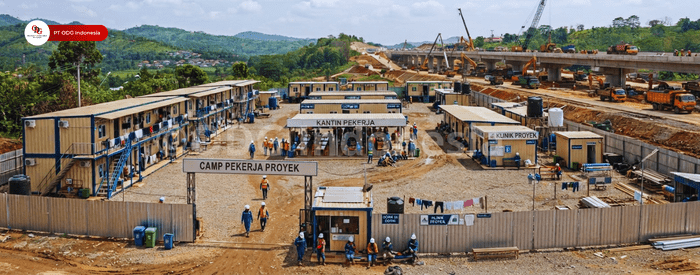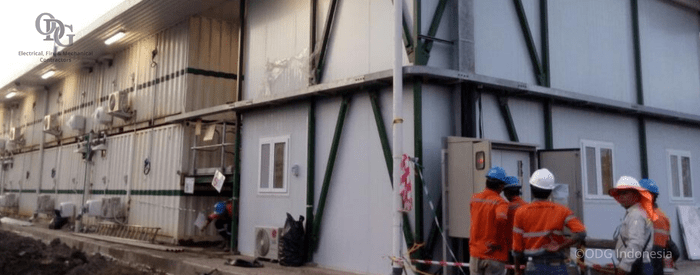


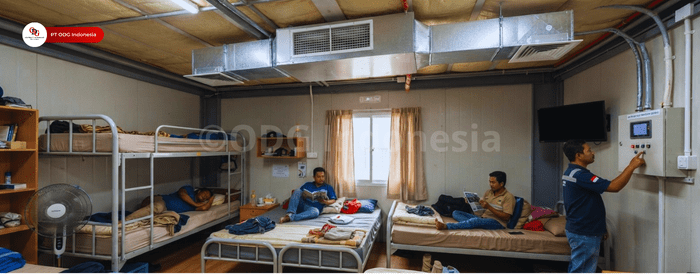
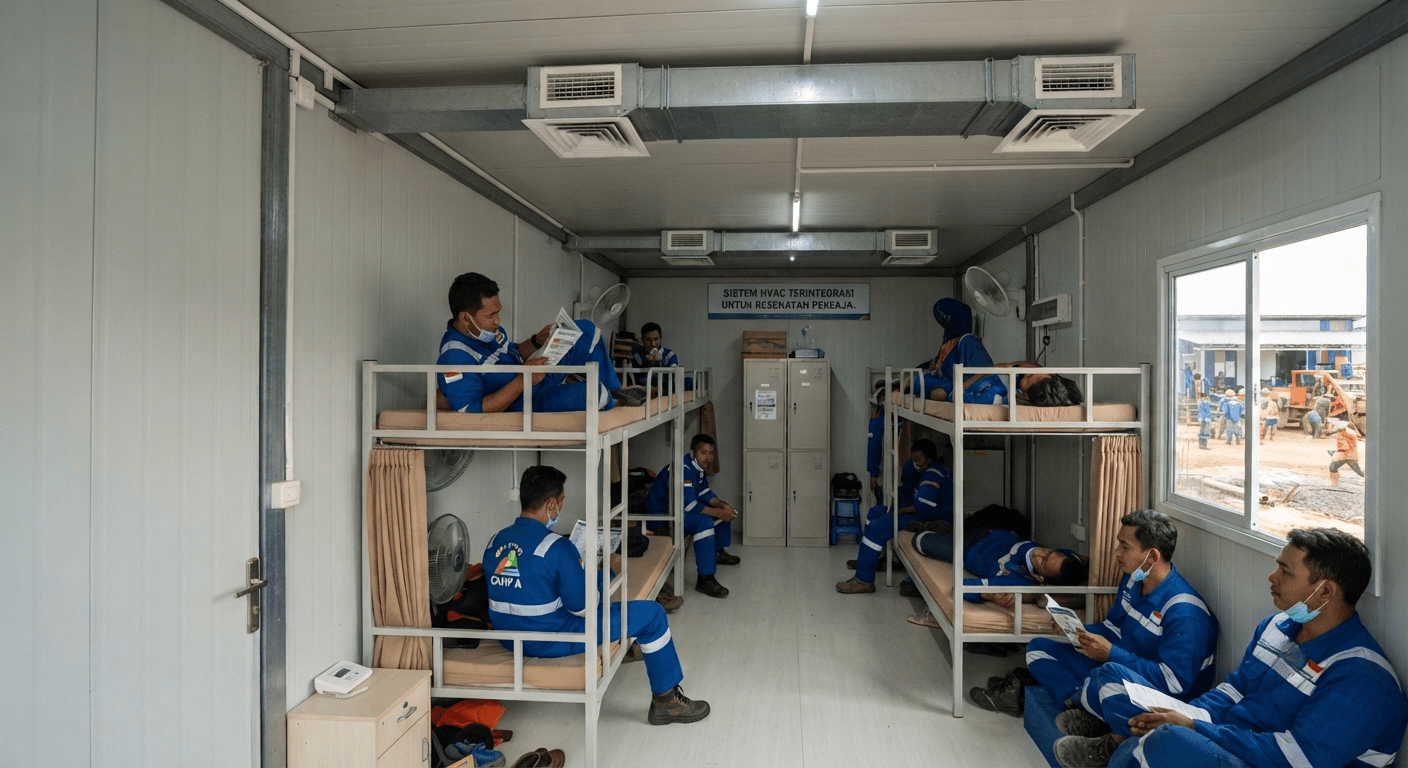
Site camps accommodate hundreds or even thousands of workers during mining, construction, oil and gas, and industrial projects. High occupancy makes indoor air quality a critical factor. Poor ventilation increases the risk of airborne disease transmission.
Recent search trends show growing interest in indoor air quality, HVAC maintenance, ventilation systems, air circulation, and healthy worker accommodation. Companies increasingly recognize that HVAC systems do more than provide comfort. They also protect worker health, improve productivity, and support operational continuity.
Implementing HVAC Optimization in Site Camps is an effective strategy for creating healthier living environments.
Why Air Circulation Matters
Indoor air contains dust, microorganisms, humidity, and airborne particles. Without proper ventilation, contaminants continue to accumulate.
Worker accommodation usually experiences high occupancy throughout the day. Bedrooms, dining halls, and common areas remain active for long periods.
A properly designed HVAC system continuously replaces stale air with fresh outdoor air. It also maintains stable temperature and humidity.
Better indoor air quality helps reduce respiratory discomfort, headaches, eye irritation, and fatigue.
Risks of Poor HVAC Performance
Many site camps operate aging HVAC systems without regular performance assessments.
Common issues include:
- Faster spread of respiratory illnesses.
- Mold growth caused by excessive humidity.
- Declining indoor air quality.
- Higher energy consumption.
- Increased worker complaints.
- Reduced productivity.
These issues often increase operational costs and disrupt project performance.
Best Practices for HVAC Optimization
Effective HVAC optimization requires more than replacing cooling equipment.
Recommended actions include:
1. Evaluate Airflow Distribution
Air should circulate evenly throughout every occupied area.
Balanced airflow eliminates stagnant air zones.
2. Increase Fresh Air Intake
Outdoor air should meet occupancy requirements.
Fresh air dilutes airborne contaminants inside buildings.
3. Install High-Quality Air Filters
Proper filters capture fine dust and airborne microorganisms.
Replace filters according to the maintenance schedule.
4. Control Indoor Humidity
Maintaining appropriate humidity prevents mold growth.
Stable humidity also improves occupant comfort.
5. Perform Preventive Maintenance
Regular cleaning of ductwork, evaporators, condensers, and filters maintains system efficiency.
Preventive maintenance also reduces unexpected equipment failures.
Business Benefits
HVAC optimization delivers benefits beyond thermal comfort.
Companies can achieve:
- Lower disease transmission risks.
- Reduced worker absenteeism.
- Higher productivity.
- Better energy efficiency.
- Longer HVAC equipment lifespan.
- Lower maintenance costs.
- Healthier living conditions.
These improvements also support HSE and ESG objectives across industrial operations.
The Importance of Regular HVAC Audits
Many organizations respond only after workers report poor air quality. This reactive approach usually increases repair costs.
Regular HVAC audits evaluate airflow, air pressure, temperature, humidity, equipment condition, and energy efficiency.
Early detection allows maintenance teams to solve problems before they affect operations.
Therefore, HVAC Optimization in Site Camps should become an essential part of every long-term facility maintenance strategy.
Healthy worker accommodation depends on reliable HVAC performance. Optimized systems improve indoor air quality while reducing disease transmission risks.
Companies also benefit from greater operational efficiency, lower maintenance costs, and higher workforce productivity.
PT ODG Indonesia provides engineering, installation, commissioning, inspection, preventive maintenance, and HVAC optimization services for industrial facilities, mining operations, commercial buildings, and site camps. Contact our team to develop a reliable HVAC solution tailored to your operational requirements.
Whatsapp : +62 811 1302 0888
Email : marketing@ptodg.com