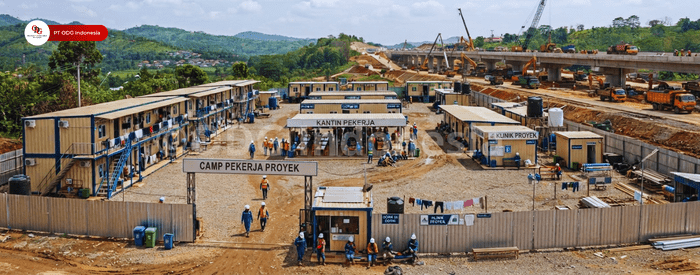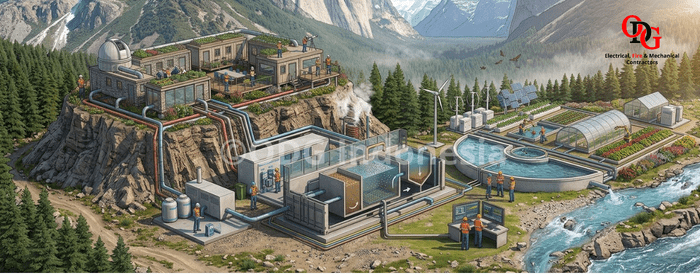


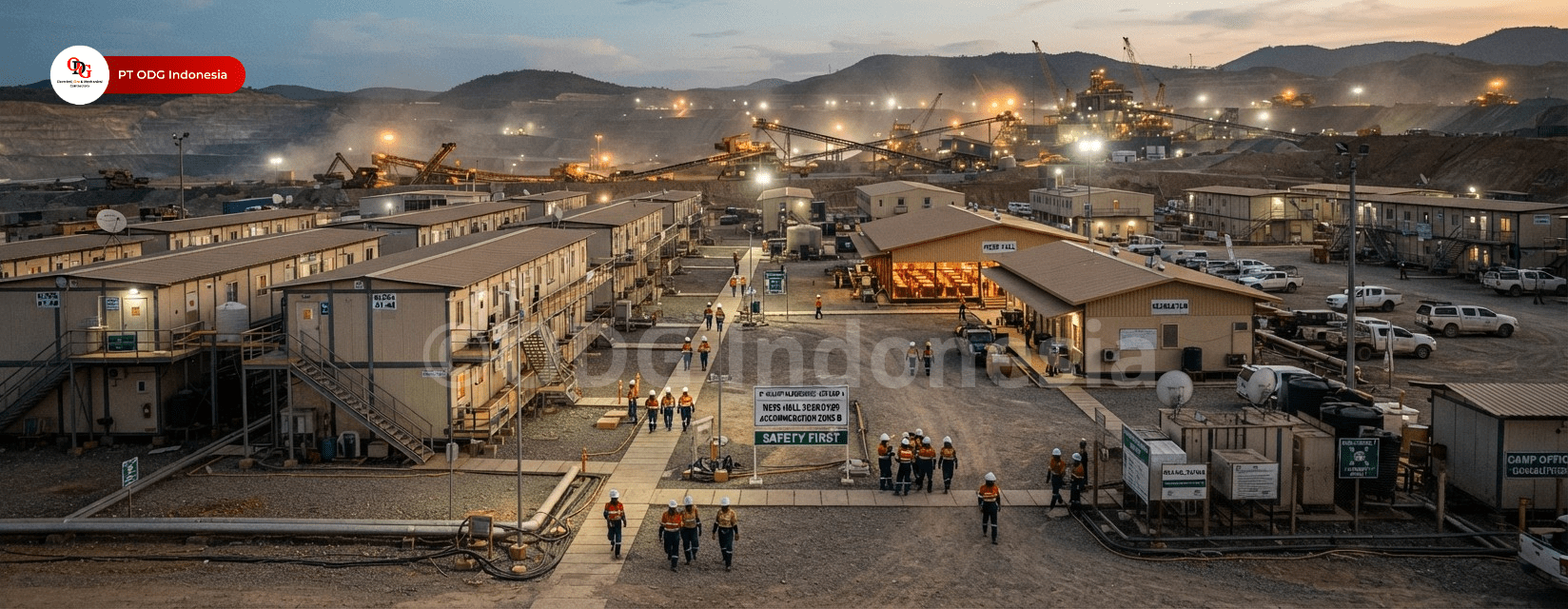
Camp facilities are essential for mining, construction, oil and gas, energy, and infrastructure projects. Besides providing accommodation for workers, they also function as project offices, dining halls, medical clinics, warehouses, and operation control centers.
Most projects are located in remote areas where environmental conditions are far more demanding than in urban environments. High winds, heavy rainfall, and seismic activity present significant challenges that must be addressed during the engineering stage. Selecting an unsuitable construction system can increase the risk of structural damage, disrupt project schedules, and compromise worker safety.
Over the past few months, online searches related to Camp Building Safety Standards have continued to increase. Contractors and project owners are seeking camp solutions that combine rapid installation with long-term structural reliability under extreme weather conditions.
Factors That Determine Camp Building Safety
The safety of a camp building depends on more than the construction material. Structural engineering plays a much greater role in determining how well a building performs under environmental loads.
Engineers evaluate maximum wind speed, seismic zone classification, soil conditions, foundation design, operational loads, and the intended service life of the facility. These factors work together to define the structural requirements of the building.
Construction quality is equally important. Even a well-designed structure can experience premature failure if fabrication or installation does not comply with engineering specifications.
The Impact of High Winds on Camp Structures
High winds generate significant pressure on roofs, walls, and structural connections. As the building size increases, the wind load acting on the structure also becomes greater.
One of the most common failures occurs when roof panels are lifted by uplift forces. Weak structural connections can loosen over time, allowing wall panels to shift and increasing the risk of structural deformation. Under extreme wind conditions, inadequate load distribution may even lead to partial or complete structural collapse.
To minimize these risks, engineers incorporate bracing systems, anchor systems, and reinforced structural connections into the design. Each structural component must transfer loads efficiently from the roof to the foundation, ensuring that the building performs safely during severe weather events.
Earthquake Resistance for Camp Buildings
Earthquakes generate horizontal and vertical forces that affect every structural component. Indonesia’s location within the Pacific Ring of Fire makes seismic resistance a critical consideration for any camp facility.
Buildings designed with strong connections, continuous load paths, and sufficient structural flexibility generally perform much better during seismic events. Conversely, weak joints often become the first point of structural failure.
Modern seismic design focuses on ductility, structural flexibility, and foundation stability. These engineering principles enable buildings to absorb earthquake energy while minimizing structural damage and maintaining occupant safety.
Light Steel Structure for Camp Construction
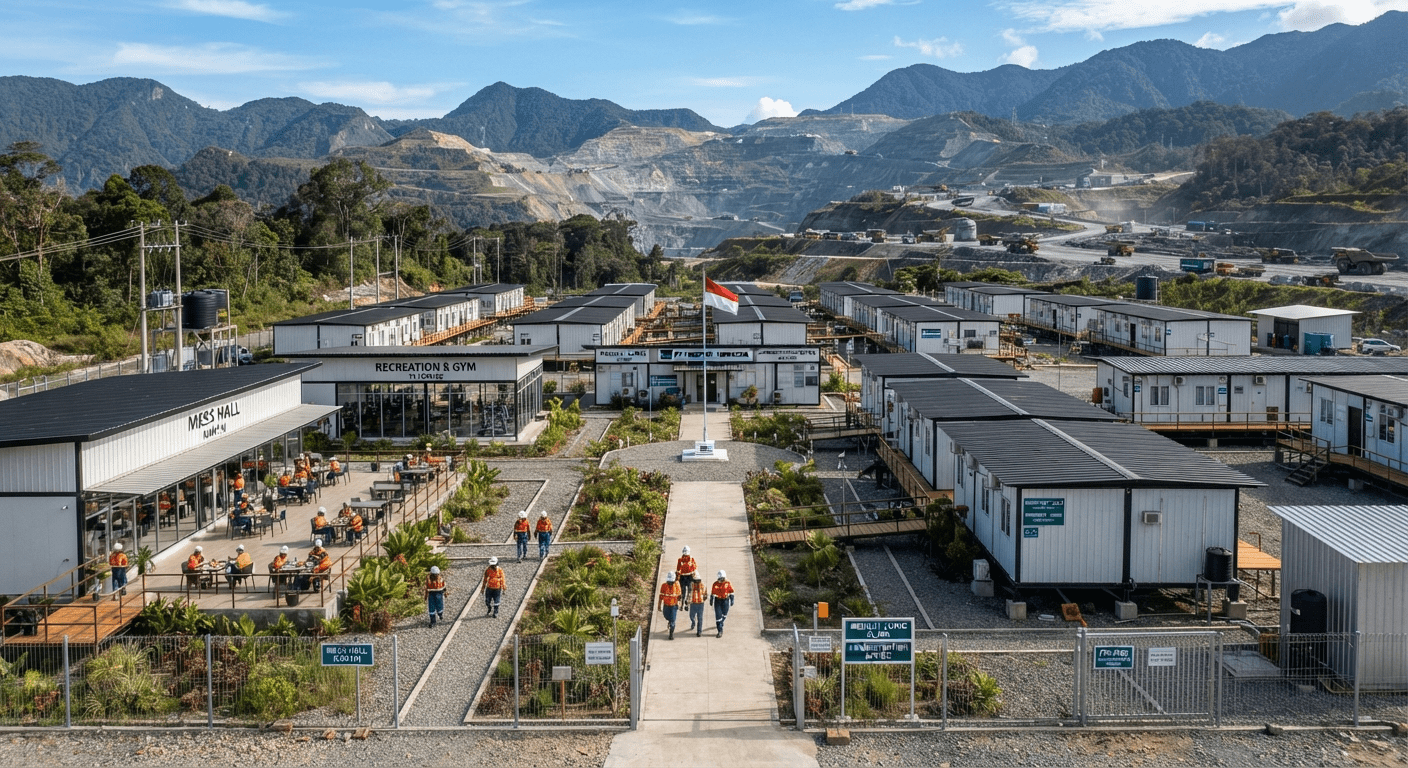
Light steel structures remain one of the most popular options for permanent and semi-permanent camp facilities. Their relatively low weight allows faster fabrication and installation compared to many conventional construction methods.
Another major advantage is design flexibility. Engineers can customize building dimensions and layouts to suit different project requirements. Future expansions are also easier because additional structural sections can be integrated into the existing framework.
However, structural performance depends heavily on connection quality, erection procedures, and construction supervision. Poor installation practices can significantly reduce the building’s resistance to both wind and seismic loads.
Containerized Unit as a Modular Solution
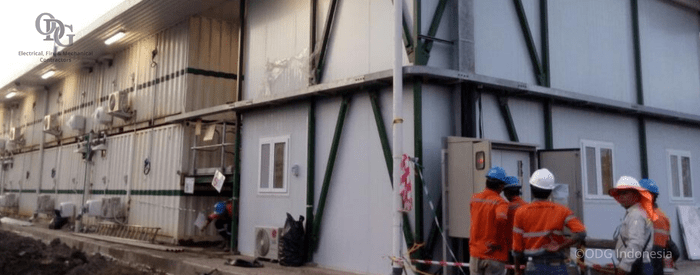
Containerized Units have become increasingly popular across mining, construction, and energy projects because they provide exceptional mobility and fast deployment.
Their rigid steel frames were originally engineered to withstand heavy loads during international freight transportation. This inherent strength makes them highly suitable for harsh environments and remote project locations.
Factory prefabrication also ensures consistent manufacturing quality while reducing on-site construction time. These advantages make Containerized Units an excellent choice for projects requiring rapid mobilization or frequent relocation.
Nevertheless, structural modifications require careful engineering analysis. Adding doors, windows, or other openings without proper calculations can weaken the primary structural frame and reduce overall safety.
Which Solution Is Better?
Neither Light Steel Structures nor Containerized Units can be considered universally superior. Each system offers unique advantages depending on the project requirements.
Light Steel Structures provide greater architectural flexibility and are well suited for permanent facilities with larger floor areas. They also allow easier customization for future operational changes.
Containerized Units excel in mobility, installation speed, and factory-controlled quality. They are particularly effective for temporary camps and remote sites where rapid deployment is essential.
Selecting the right construction system requires evaluating project duration, environmental conditions, relocation requirements, operational needs, and total lifecycle costs rather than considering only the initial construction budget.
Engineering Standards That Should Be Followed
Safe camp buildings should always comply with recognized national and international engineering standards. In Indonesia, structural design generally follows the applicable SNI requirements for structural loading and earthquake resistance.
Many international projects also adopt ASCE 7, the International Building Code (IBC), the AISC Steel Construction Manual, and relevant ISO standards for Containerized Units.
Applying these standards throughout engineering, fabrication, installation, and commissioning ensures that every structural component performs according to its intended design capacity.
Implementing Camp Building Safety Standards from the earliest design stage helps protect workers, reduce maintenance costs, and improve long-term operational reliability.
The safety of a camp building depends not only on the structural system but also on engineering quality, fabrication standards, and installation practices.
Light Steel Structures offer outstanding design flexibility for permanent facilities, while Containerized Units provide exceptional mobility, structural durability, and installation speed.
By understanding the strengths of each construction method, project owners can select the most appropriate solution for their operational requirements. Proper engineering significantly reduces the risks associated with high winds and earthquakes while ensuring continuous project productivity and worker safety.
Build Safer Camp Facilities with PT ODG Indonesia
PT ODG Indonesia provides comprehensive Modular Camp, Containerized Unit, and Camp Construction solutions for mining, construction, oil and gas, energy, and industrial sectors. Every project is engineered by considering wind loads, seismic loads, international safety standards, and project-specific operational requirements. With extensive experience supporting industrial projects across Indonesia, PT ODG Indonesia delivers safe, efficient, and reliable camp facilities designed to perform in the most demanding environments.
Whatsapp : +62 811 1302 0888
Email : marketing@ptodg.com