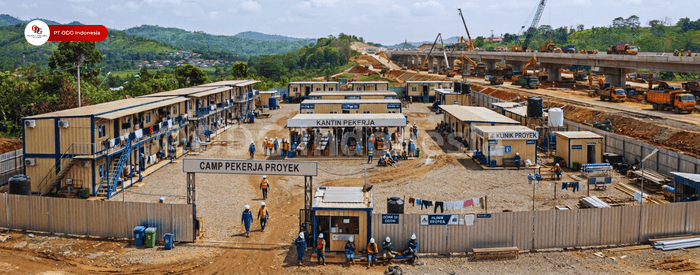


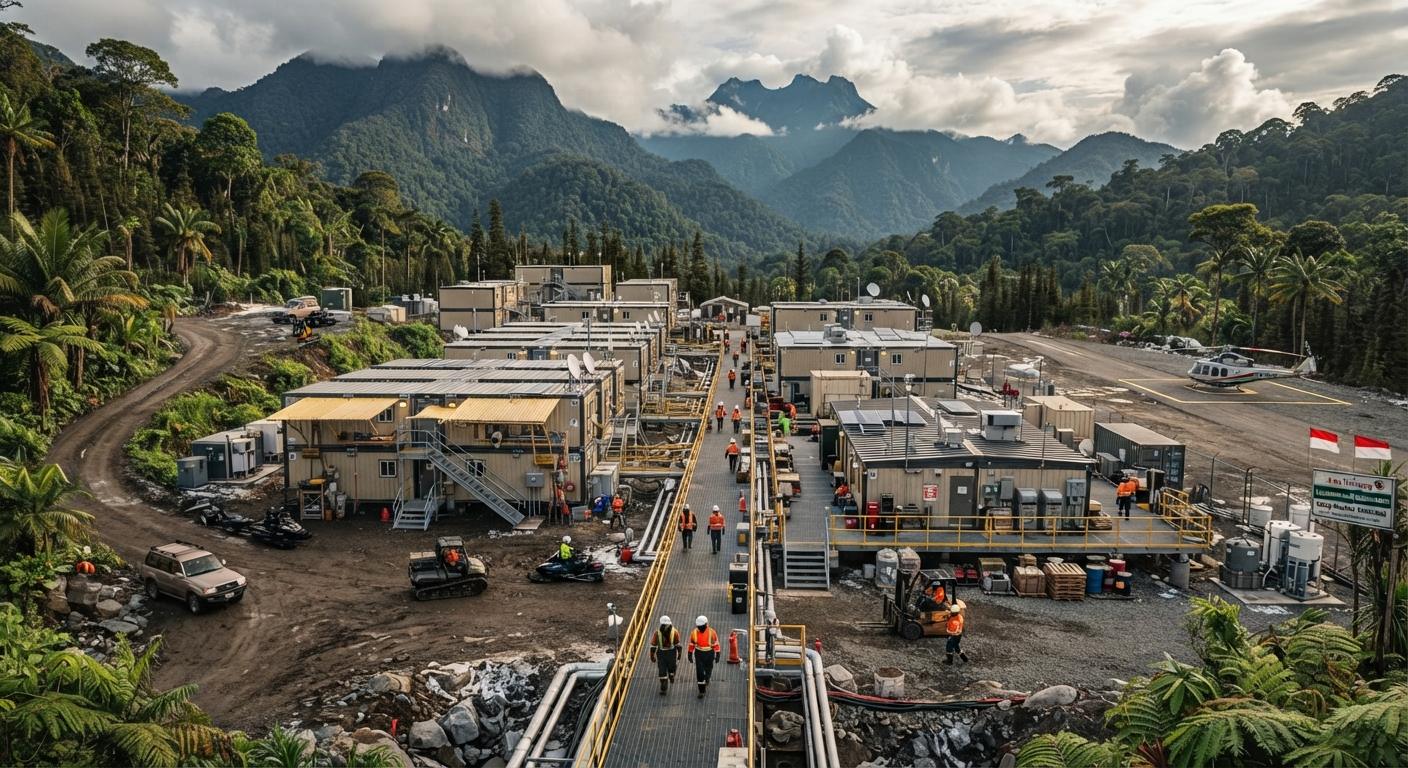
Camp construction projects often operate in remote and geographically challenging locations. These conditions increase the complexity of material transportation.
Narrow roads, steep terrain, rivers, and limited bridges can delay mobilization. Weather conditions can also change site accessibility within hours.
Poor logistics planning can create significant project delays. These delays can increase labor, equipment, and operational costs.
Companies therefore need an integrated logistics strategy from the early project stage. The strategy should reflect actual site conditions and material requirements.
Assess Site Access Before Mobilization
The process should begin with a detailed site access assessment. The project team should map the route from loading points to the camp.
Several factors require evaluation before material mobilization.
- Road width and surface conditions
- Bridge capacity and dimensions
- Terrain slope and ground conditions
- Height restrictions along the route
- River conditions and crossing points
- Flood and landslide risks
- Available unloading areas
- Distance between staging areas and camp
This information helps determine the most suitable transportation method. It also helps define safe material dimensions for delivery.
Modular Construction Simplifies Material Mobilization
Modular construction provides major benefits for remote projects. Components can be manufactured and prepared before reaching the site.
Modules can also follow transportation limitations during the design stage. This approach reduces heavy construction activities at the project location.
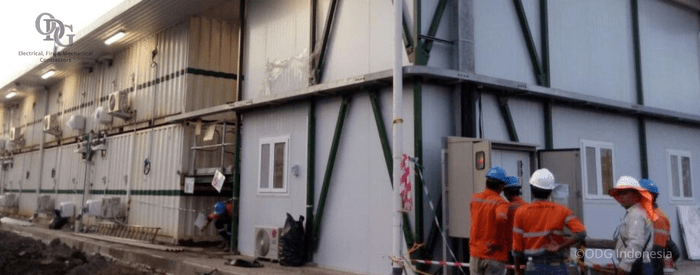
The project team can perform assembly faster after materials arrive. This can accelerate construction progress in remote environments.
However, modular design must consider transportation requirements. Each module needs dimensions and weight suitable for available vehicles.
Develop Transportation Strategies for Difficult Terrain
Every project requires a transportation strategy based on its geographical conditions. One vehicle configuration may not work for every material.
For road transportation, teams should select vehicles based on material dimensions. Trailers and trucks must also match the actual load requirements.
River crossings require additional assessment of bridge conditions. Alternative transportation routes should remain available for access disruptions.
Some locations may require combined land and sea transportation. Multimodal logistics can provide better access to isolated project locations.
The company should also establish a staging area before final delivery. This area becomes a consolidation point before materials enter the project site.
Protect Materials During Transportation
Modular materials require proper packaging throughout transportation. Packaging should protect components from impact and changing weather conditions.
Certain materials require additional protection against water and humidity. Finished components may also require specialized handling procedures.
Every package should have clear identification labels. Labels help logistics teams track materials and manage unloading efficiently.
Material documentation also helps prevent delivery errors. Each package should match the packing list and construction schedule.
Integrate Logistics with the Construction Schedule
Logistics should follow the construction schedule closely. Materials must arrive according to the requirements of each construction phase.
Early delivery can increase storage requirements at the site. Late delivery can stop construction activities.
Project teams should therefore create a detailed delivery schedule. The schedule should connect procurement activities with construction progress.
Teams should also include buffer time for unexpected disruptions. Weather, vehicle failures, and road conditions can affect travel times.
Reduce Downtime Risks in Remote Locations
Downtime can have a major impact on projects far from logistics centers. Even small delays can require significant recovery time.
Companies should prepare contingency plans for critical materials. Long-lead items should receive priority during logistics planning.
Teams should also identify critical spare materials for construction activities. This strategy helps maintain progress during unexpected disruptions.
Site inventory management must also remain disciplined. Delivered materials should receive proper records and designated storage locations.
Use Technology to Monitor Material Delivery
Digital tracking can improve visibility throughout the mobilization process. Project teams can monitor vehicle locations more accurately.
Tracking systems can also provide estimated time of arrival information. Site teams can prepare manpower and equipment before materials arrive.
Digital documentation can reduce communication errors between project teams. Procurement, logistics, warehouse, and construction teams can work with shared data.
For large projects, integrated data can improve cost control. Companies can also evaluate logistics performance after project completion.
ODG Indonesia for Camp Construction Projects
Successful camp construction requires more than building design and material selection. Material mobilization also affects project speed and site efficiency.
ODG Indonesia supports camp construction requirements for mining and heavy industry projects. Project planning can consider site conditions and operational requirements.
With effective camp construction logistics, companies can reduce delivery delays and operational risks. Material mobilization can also become more structured and predictable.
Better planning helps optimize project time, manpower, equipment, and logistics costs. The final result is a camp ready to support operational requirements.
Logistics plays a critical role in successful camp construction projects. Geographical challenges require detailed transportation and mobilization planning.
Modular construction can reduce construction complexity at remote locations. However, each module must still meet transportation and handling requirements.
Site assessment, packaging, scheduling, tracking, and contingency planning should work together. This integrated approach helps protect project progress and control operational risks.
For companies developing camps in challenging locations, early logistics planning is essential. ODG Indonesia can support integrated camp construction requirements for remote industrial projects.
Whatsapp : +62 811 1302 0888
Email : marketing@ptodg.com