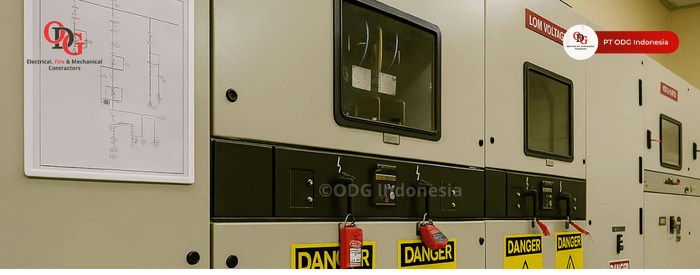


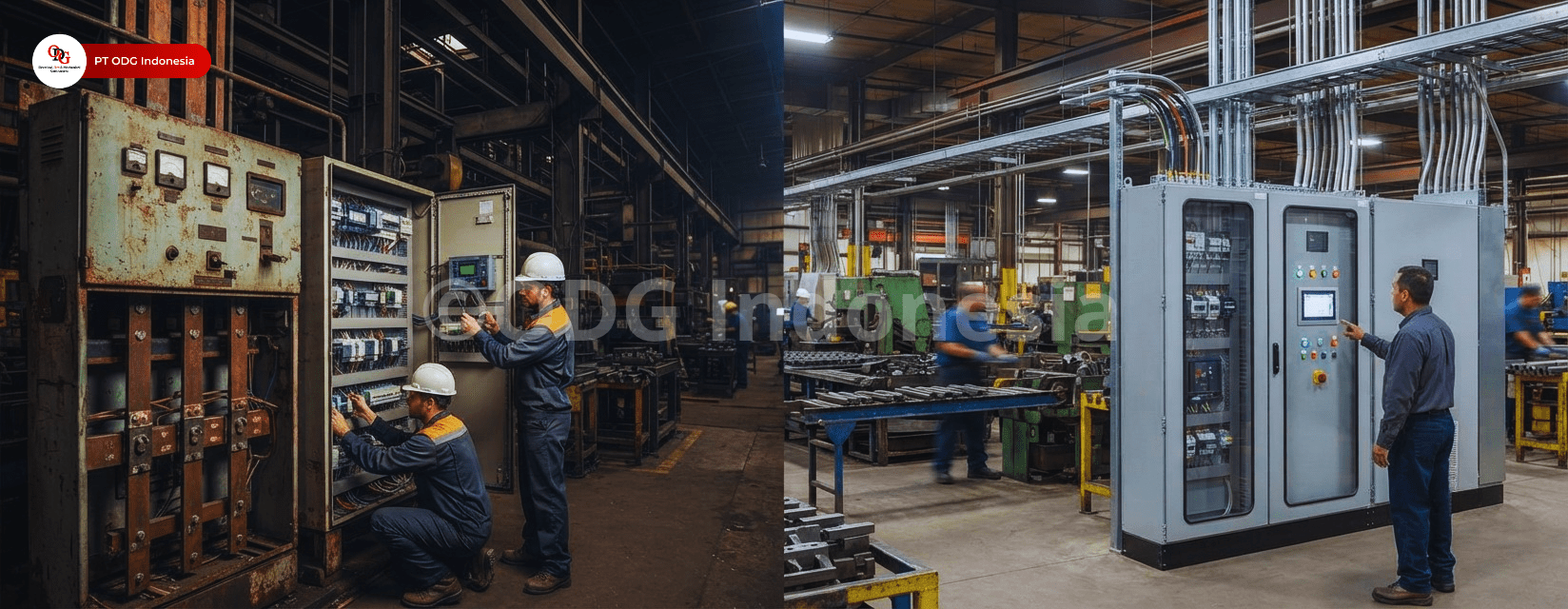
Industrial facilities often operate electrical systems for decades. Many plants continue using equipment installed more than twenty years ago. Although the systems still function, the likelihood of failure increases every year.
Recent industry trends show growing interest in electrical retrofit, switchgear modernization, predictive maintenance, and industrial electrical upgrades. Companies want to extend asset life while minimizing capital expenditure and production interruptions.
However, retrofitting is not always the best solution. In some situations, complete replacement delivers greater long-term value.
Why Aging Electrical Systems Create Business Risks
Electrical equipment naturally deteriorates over time. Insulation weakens. Electrical contacts wear out. Environmental conditions also accelerate corrosion and mechanical damage.
These issues may lead to several operational problems, including:
- Production downtime
- Power distribution failures
- Arc flash incidents
- Overheating
- Protection system failures
- Increasing maintenance costs
Another challenge involves obsolete equipment. Manufacturers often discontinue spare parts for older products.
What Is Electrical Retrofitting?
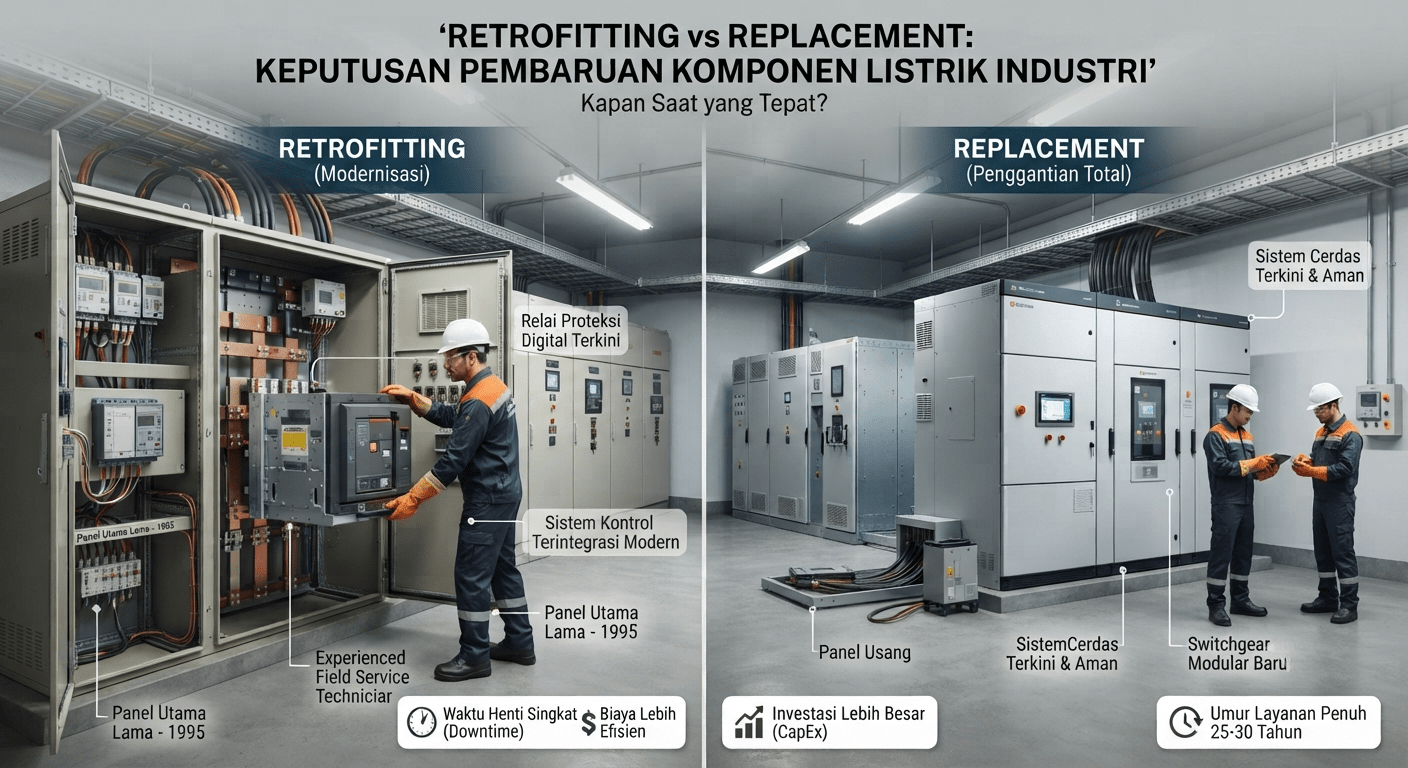
Industrial Electrical Retrofitting upgrades critical components while preserving the existing infrastructure.
Engineers replace outdated equipment without rebuilding the complete electrical system.
Typical retrofit projects include:
- Circuit breaker upgrades
- Digital protection relay installation
- Control panel modernization
- Advanced monitoring systems
- Communication module upgrades
- IoT integration for predictive maintenance
Retrofitting usually requires shorter shutdown periods than complete replacement.
When Is Retrofitting the Better Option?
Retrofitting works well when the primary electrical infrastructure remains in good condition.
Common indicators include:
- Safe panel construction
- Healthy busbar systems
- Undamaged enclosures
- Stable electrical loads
- Available retrofit spare parts
This approach improves reliability while reducing capital investment.
Companies also gain better monitoring capabilities without replacing the complete installation.
When Should You Choose Replacement?
Replacement becomes the preferred solution when equipment reaches the end of its economic life.
Typical indicators include:
- Equipment older than thirty years
- Frequent failures
- Obsolete spare parts
- Significant load expansion
- Non-compliance with current safety standards
- Escalating maintenance expenses
Complete replacement provides higher long-term reliability and significantly reduces operational risks.
Key Factors Before Making the Decision
Equipment age should never become the only consideration.
Engineering teams should evaluate several important aspects.
Physical Condition
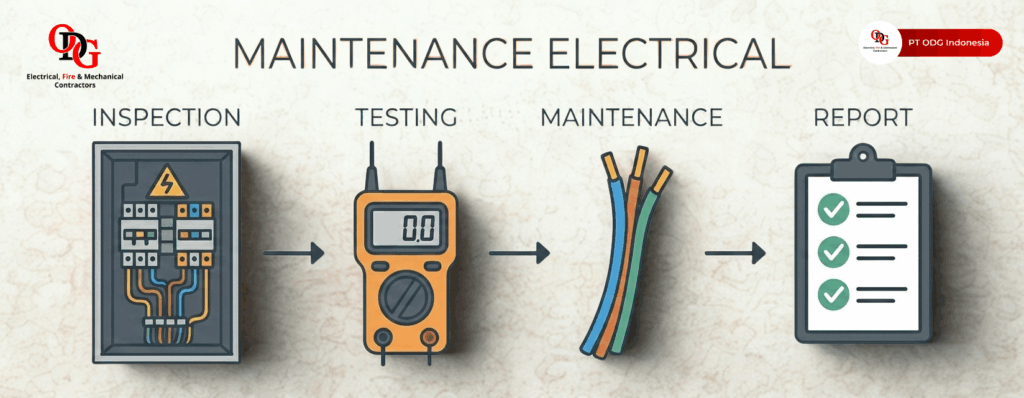
Visual inspections identify corrosion, overheating, contamination, and mechanical damage.
Electrical Testing Results
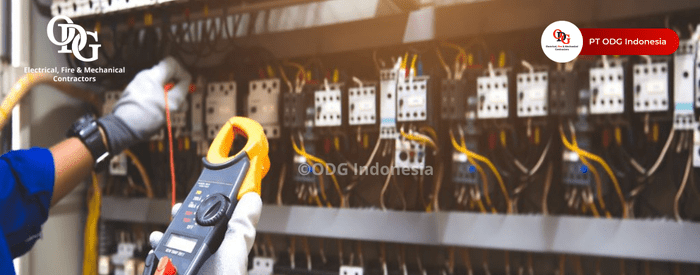
Thermography, insulation resistance testing, and power quality analysis reveal actual equipment health.
Life Cycle Cost
Compare future maintenance costs against replacement investment over five to ten years.
Operational Risk
Estimate potential production losses caused by unexpected equipment failures.
Spare Part Availability
Ensure replacement components remain available throughout the expected service life.
Why Electrical Assessments Matter
Every successful modernization project starts with accurate data.
Electrical assessments identify assets suitable for modernization and those requiring replacement.
The assessment also helps prioritize investments based on technical condition and business risk.
Using these insights allows companies to determine whether Industrial Electrical Retrofitting still provides the best value or whether complete replacement offers a stronger long-term return.
Both retrofitting and replacement aim to improve electrical system reliability.
Retrofitting suits facilities with healthy infrastructure that can support modernization.
Replacement becomes the better choice when aging equipment increases operational risks and maintenance costs.
A comprehensive engineering assessment ensures every investment delivers maximum reliability, safety, and long-term operational value.
Planning an industrial electrical modernization project requires expert evaluation. PT ODG Indonesia provides electrical assessment, engineering, retrofit, replacement, testing, commissioning, and preventive maintenance services to improve the reliability, safety, and performance of industrial electrical systems.
Whatsapp : +62 811 1302 0888
Email : marketing@ptodg.com