

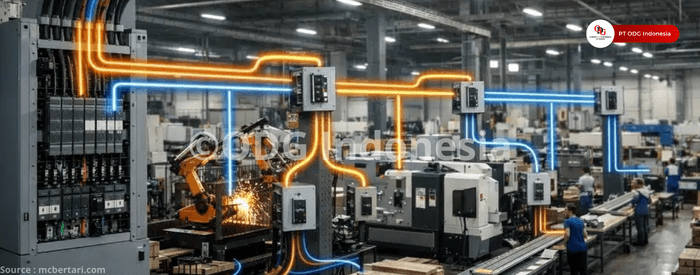
Electricity is one of the largest operating expenses in manufacturing facilities. Production equipment, electric motors, compressors, chillers, conveyors, and HVAC systems operate continuously throughout the day.
Many companies focus on replacing equipment to save energy. However, they often overlook the quality of their electrical system. A low power factor is one of the most common reasons for high electricity bills.
A Manufacturing Energy Audit helps companies identify hidden energy losses across the entire electrical system. The audit provides technical recommendations that improve efficiency while reducing operational costs.
Why Power Factor Matters
Power factor measures how efficiently electrical power is utilized.
A low power factor indicates that part of the supplied energy does not perform useful work.
Many utility providers apply penalties when the power factor falls below the required standard.
Besides increasing electricity costs, a low power factor may also cause:
- Higher current flow
- Increased transformer loading
- Overheating electrical equipment
- Reduced equipment lifespan
- Lower electrical distribution capacity
Improving the power factor enhances both cost efficiency and system reliability.
Common Causes of Low Power Factor
Manufacturing plants operate many inductive loads that require reactive power.
Typical equipment includes:
- Induction motors
- Air compressors
- Cooling towers
- Chillers
- Pumps
- Welding machines
- Injection molding machines
- Conveyor systems
As more inductive loads operate simultaneously, reactive power demand increases.
Without proper compensation, the power factor continues to decline.
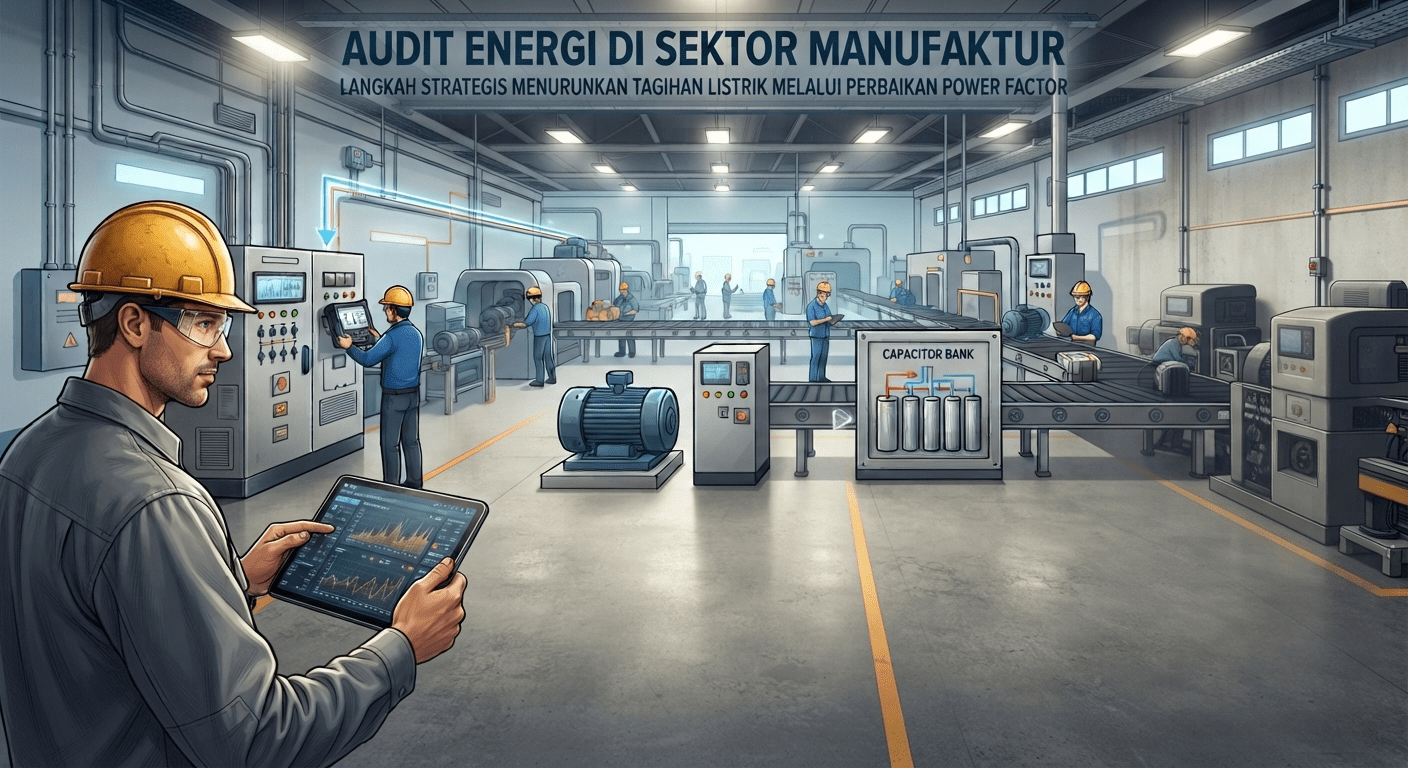
Energy Audit Process
An energy audit evaluates much more than electricity consumption.
The assessment covers the overall performance of the electrical distribution system.
Data Collection
Engineers collect utility bills, single line diagrams, transformer ratings, and production information.
Load Measurement
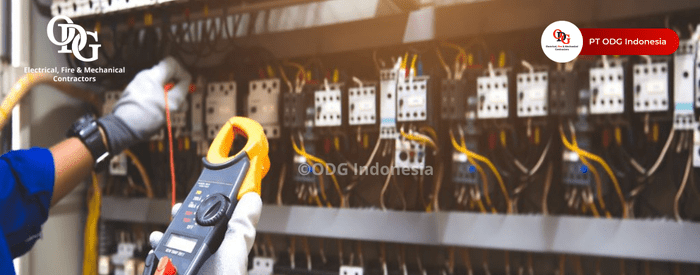
A Power Quality Analyzer records electrical parameters during normal plant operation.
Measurements include:
- Voltage
- Current
- Active Power
- Reactive Power
- Apparent Power
- Harmonics
- Power Factor
- Demand Profile
System Analysis
Engineers evaluate the collected data to identify energy losses and improvement opportunities.
Technical Recommendations
The final report provides practical solutions based on actual operating conditions.
Effective Power Factor Improvement Solutions
Several improvement strategies may be implemented after the audit.
Automatic Power Factor Correction
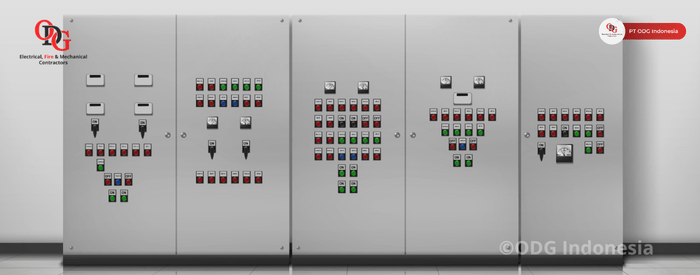
An APFC Panel automatically switches capacitor stages according to changing load conditions.
This maintains a stable power factor throughout plant operations.
Capacitor Bank
Capacitor Banks compensate reactive power and reduce unnecessary electrical losses.
Proper sizing should always be based on audit results.
Harmonic Filter
Facilities using Variable Frequency Drives often generate significant harmonics.
A harmonic filter protects capacitor banks while improving overall system performance.
Continuous Monitoring
Digital power meters enable real-time monitoring of electrical performance.
Continuous data supports ongoing energy management initiatives.
Benefits of a Manufacturing Energy Audit
A professional audit delivers measurable operational improvements, including:
- Lower electricity bills
- Reduced utility penalties
- Improved electrical efficiency
- Better utilization of existing electrical capacity
- Longer equipment lifespan
- Reduced overheating risks
- Support for corporate energy efficiency goals
- Stronger ESG and sustainability performance
A Manufacturing Energy Audit also provides reliable data before investing in new electrical infrastructure.
This approach helps companies make informed technical and financial decisions.
Power factor improvement is one of the fastest ways to reduce electricity costs in manufacturing facilities.
Every plant has unique operating characteristics and electrical loads.
A professional energy audit identifies the most effective improvement opportunities. Companies can reduce operating expenses, improve electrical reliability, and maximize long-term energy efficiency.
Looking to reduce electricity costs and improve your facility’s electrical performance? PT ODG Indonesia provides professional Energy Audit, Power Quality Analysis, Power Factor Correction, Capacitor Bank Installation, and industrial electrical engineering solutions tailored to maximize efficiency, reliability, and long-term operational savings. Contact PT ODG Indonesia to schedule a consultation with our engineering team today.
Whatsapp : +62 811 1302 0888
Email : marketing@ptodg.com