

Mining and heavy industry environments present a high fire risk. Operations involve high-power electrical equipment and continuous machinery. Flammable materials are commonly present across facilities. These conditions make a mining fire safety system essential for asset protection and worker safety.
Unlike commercial buildings, mining sites cover large open areas. Locations are often remote and difficult to access. Fire safety systems must follow an integrated and risk-based design approach.
Fire Risk Characteristics
Fire risks originate from medium and high voltage electrical systems. Panels, motors, and generators act as common ignition sources. Fuels such as diesel, LNG, LPG, and industrial oil accelerate fire spread. In mining operations, additional risks include combustible dust, high temperatures, and mechanical friction. Hot work activities further increase fire potential. These conditions require fast and reliable fire detection and control.
Fire Protection Systems
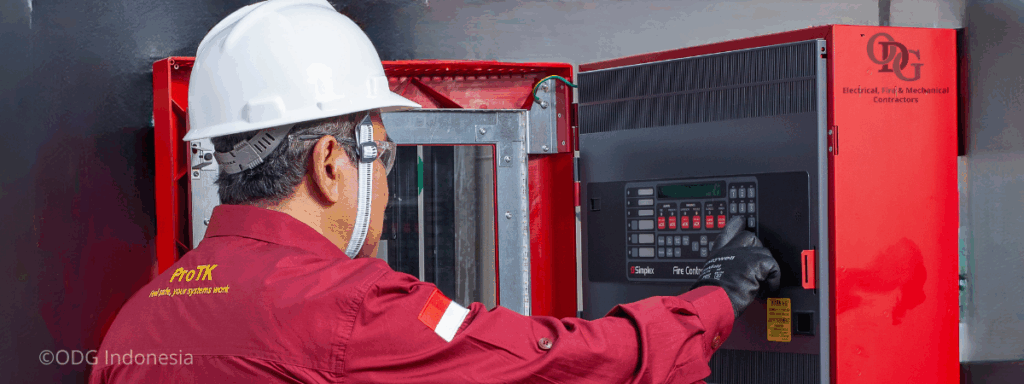
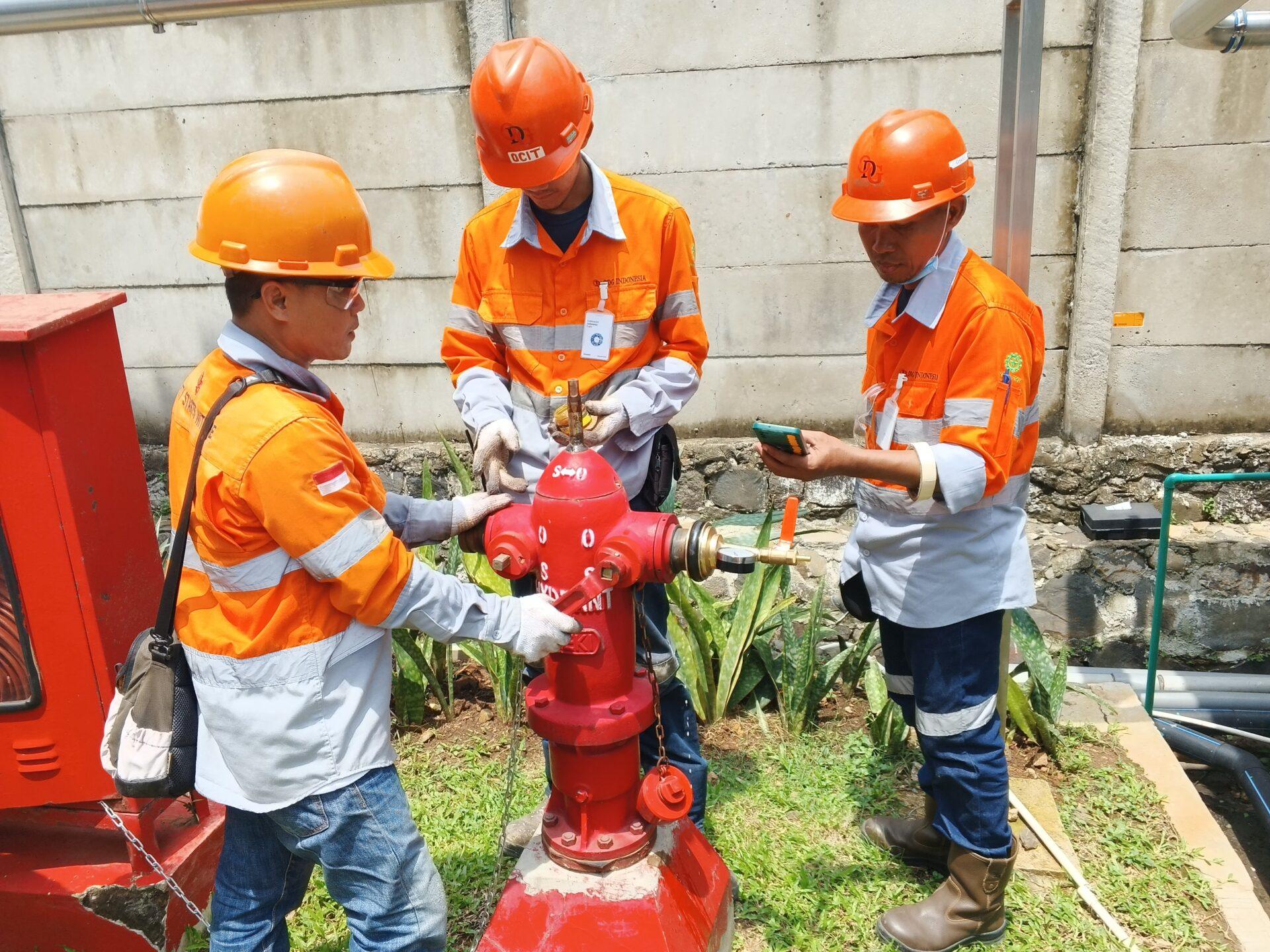
Modern heavy industry relies on integrated fire safety solutions. Fire detection systems use heat detectors, flame detectors, and industrial smoke detectors. These devices operate reliably in dusty and high-temperature environments.
Fire alarm systems integrate with SCADA or DCS platforms. This integration enables fast response and precise fire location identification. Hydrant and deluge systems protect open areas. Clean agents like FM-200 or Novec 1230 safeguard electrical rooms and control rooms.
Fire Safety Protocols and Emergency Response
Fire safety protocols complement technical systems. Protocols include prevention, early detection, and emergency response measures. Procedures must align with site layout and operational processes. Permit to work controls hot work activities. Routine inspections cover electrical and mechanical equipment. Good housekeeping reduces ignition sources. Regular fire drills and trained Emergency Response Teams are critical for remote sites.
Standards and Role of Electrical Contractor
Fire safety systems in mining and heavy industry must comply with recognized international and national standards. NFPA (National Fire Protection Association) provides the primary guidelines for fire protection system design, including fire detection, fire alarm, and fire suppression systems in high-risk environments.
IEC (International Electrotechnical Commission) and IEEE (Institute of Electrical and Electronics Engineers) define technical requirements for electrical system design, installation, and testing. These standards ensure electrical systems operate safely, reliably, and integrate properly with fire safety systems. National occupational safety regulations provide mandatory safety requirements that must be followed to protect workers and operations.
Electrical contractors play a key role in implementing these standards on site. Responsibilities include safe electrical system design, integration of fire detection and fire alarm systems, and coordination with SCADA or DCS platforms. Electrical contractors also handle commissioning, functional testing, and routine maintenance to ensure reliable fire safety performance in harsh industrial environments.