

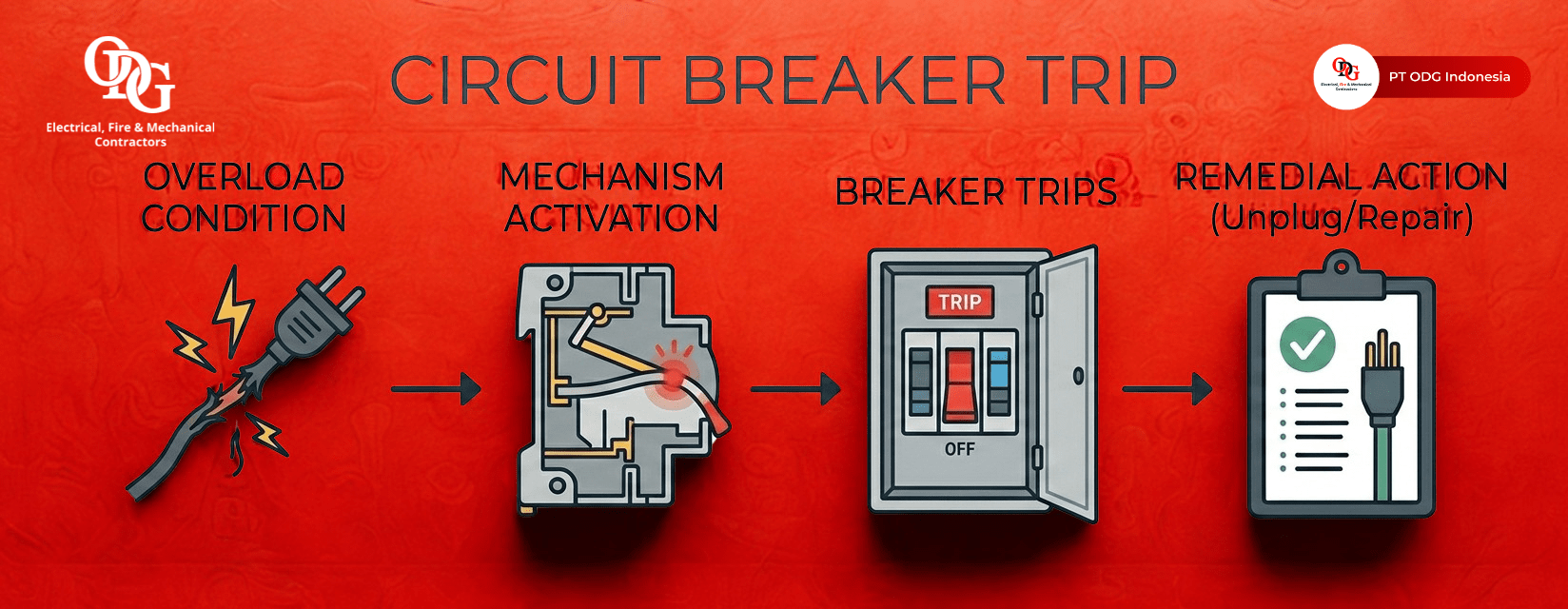
Tripping is a protective mechanism in circuit breakers. It cuts off power during faults. This protects equipment and installations. However, when an electrical system keeps tripping, it signals deeper issues that need attention.
Types of Electrical Trips
1. Thermal Trip
Thermal trip occurs due to overheating from overload. Breakers use bimetal elements to detect temperature rise.
2. Magnetic Trip
Magnetic trip responds to sudden current surges. It is typically triggered by short circuits.
3. Earth Leakage Trip
This trip occurs when current leaks to the ground. Devices like RCCB detect and stop the flow.
4. Under Voltage Trip
This happens when voltage drops below safe levels. It can disrupt equipment performance.
Technical Causes of Electrical System Keeps Tripping
1. Load Imbalance
Uneven load distribution stresses one phase more than others. This is common in three-phase systems.
2. Harmonic Distortion
Modern electronic devices generate harmonics. These distortions increase heat and reduce efficiency.
3. High Inrush Current
Motors and transformers draw high startup current. Without control, breakers may trip.
4. Loose Connections
Weak connections create heat and sparks. This is a hidden but common issue.
5. Operating Environment
Humidity, dust, and high temperature affect system reliability. Harsh environments accelerate wear.
6. Aging Infrastructure
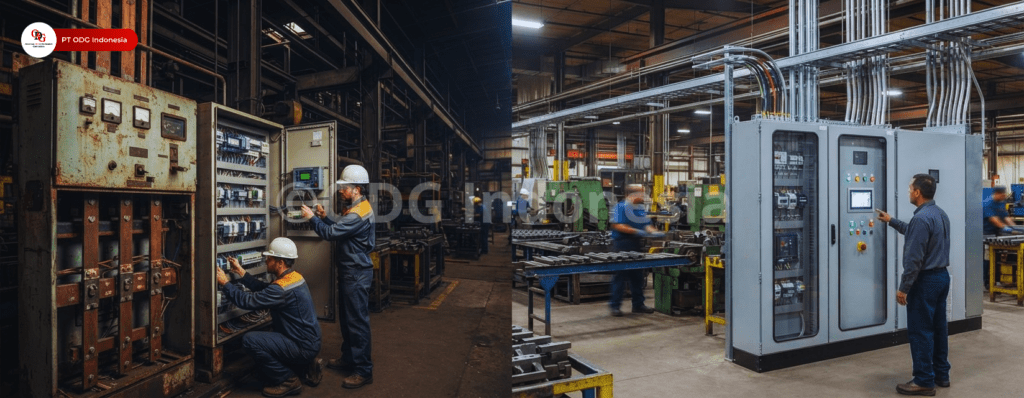
Old systems degrade over time. Cable insulation becomes brittle and unsafe.
Impacts If Not Addressed
1. Reduced Energy Efficiency
Unstable systems consume more power. This increases electricity costs.
2. Production Disruption
Unexpected shutdowns interrupt workflows. Restarting systems takes additional time.
3. Progressive System Damage
Repeated minor faults lead to major failures. Other components may also be affected.
4. Compliance Risks
Companies may fail safety standards. This affects audits and certifications.
Solutions for Electrical System Keeps Tripping
1. Power Quality Analysis
This analysis detects harmonics and voltage issues. It provides data for accurate solutions.
2. Load Balancing
Balanced load distribution reduces stress on each phase. It improves system stability.
3. Soft Starter or VFD Installation
These devices control startup current. They significantly reduce inrush current.
4. Cable and Panel Replacement
Use high-quality materials for better reliability. New cables offer improved insulation.
5. Additional Protection Devices
Install suitable protection relays. Add surge protection for extra safety.
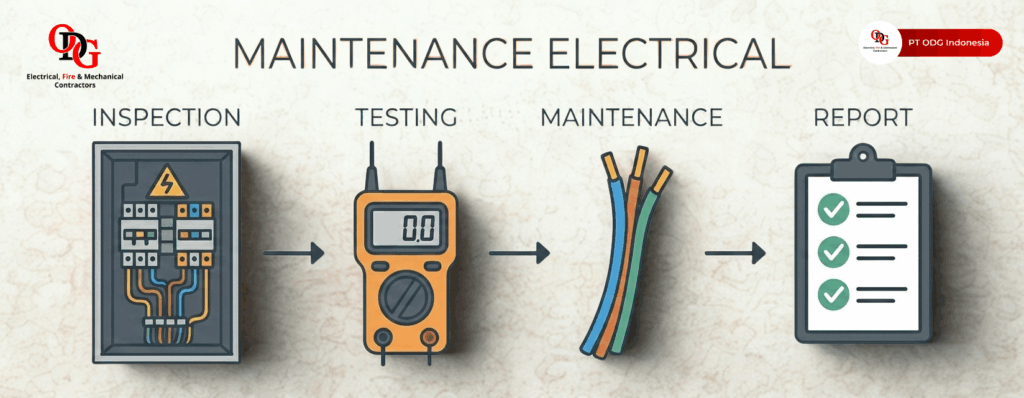
6. Preventive and Predictive Maintenance
Routine maintenance prevents failures. Predictive methods use data for early detection.
7. IoT-Based Monitoring System
Digital monitoring provides real-time insights. Teams can respond faster to issues.
Inspection Checklist
Check cable insulation regularly. Keep panels clean and cool. Verify breaker settings. Test grounding systems. Evaluate load capacity against demand.
Best Practices for Prevention
Design scalable systems. Document all modifications. Implement clear SOPs. Train technicians regularly. Work with reliable service providers.
An electrical system keeps tripping requires a comprehensive technical approach. Accurate analysis identifies root causes. Planned solutions improve reliability and safety.
PT ODG Indonesia is your trusted partner for electrical solutions. We offer audits, power quality analysis, maintenance, and system upgrades. Contact us today to improve your system reliability with expert support.
Whatsapp : +62 811 1302 0888
Email : marketing@ptodg.com