

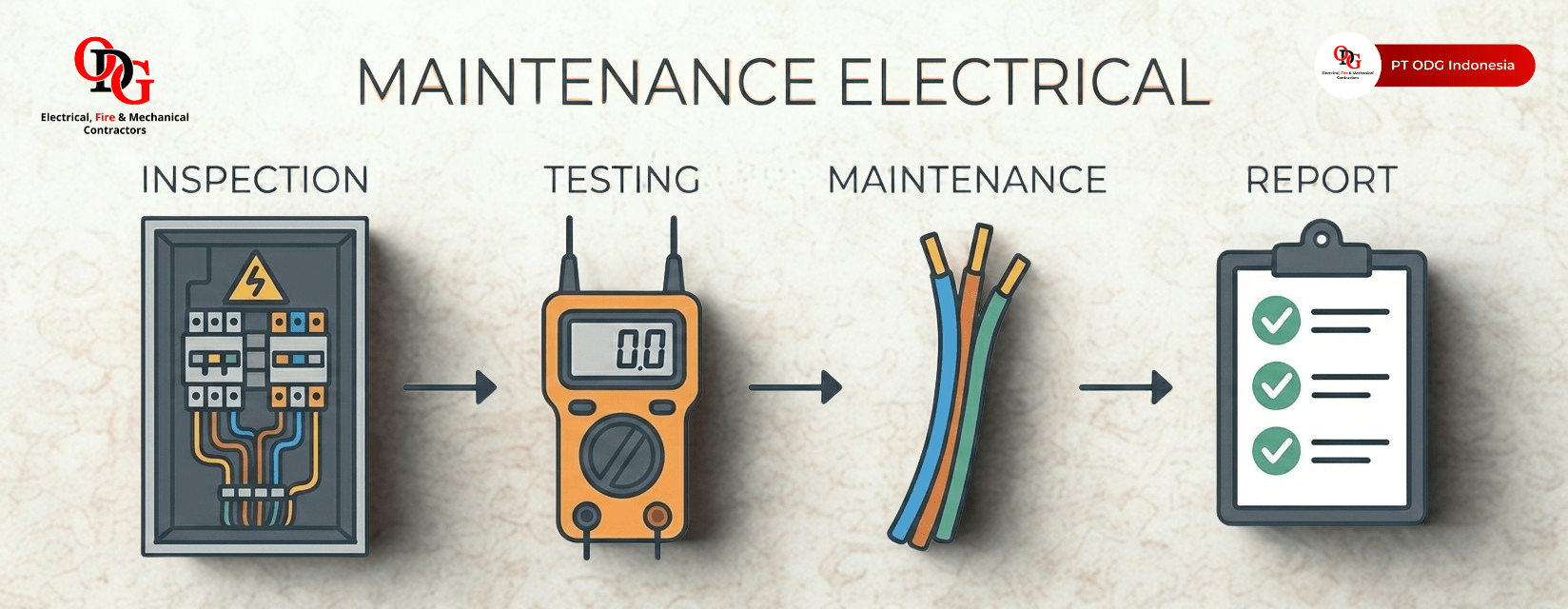
Many companies still ask, how often should electrical system maintenance be done. This question is critical for ensuring safe and stable operations.
Poor maintenance scheduling can lead to downtime and costly failures. A structured approach helps maintain performance and reduce risks.
Why Electrical Maintenance Is Critical
Electrical systems support all operations. Even small issues can disrupt production.
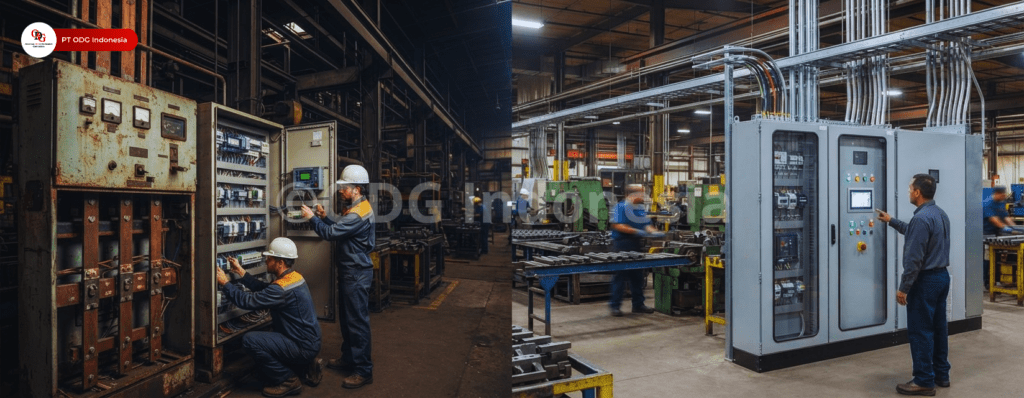
Common problems include overheating, loose connections, and insulation breakdown. These issues often develop silently.
Routine maintenance improves system reliability. It also extends equipment lifespan.
Recommended Maintenance Frequency
A structured schedule is essential:
1. Daily Maintenance
Operators perform basic visual inspections.
Check panel indicators, unusual sounds, and temperature.
2. Monthly Maintenance
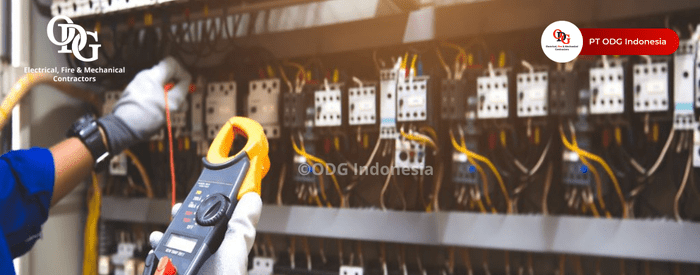
Technical teams inspect wiring and connections.
Panels and distribution systems are checked thoroughly.
3. Quarterly Maintenance
Testing is performed, including insulation resistance tests.
This ensures there are no leakage currents.
4. Annual Maintenance
A full audit is conducted by professionals.
Includes thermographic scanning and load analysis.
This framework helps answer how often should electrical system maintenance be done effectively.
Types of Electrical Maintenance
Preventive Maintenance
Routine actions to prevent failures.
Predictive Maintenance
Uses monitoring tools and data analysis.
Corrective Maintenance
Performed after failure occurs.
Combining these methods gives the best results.
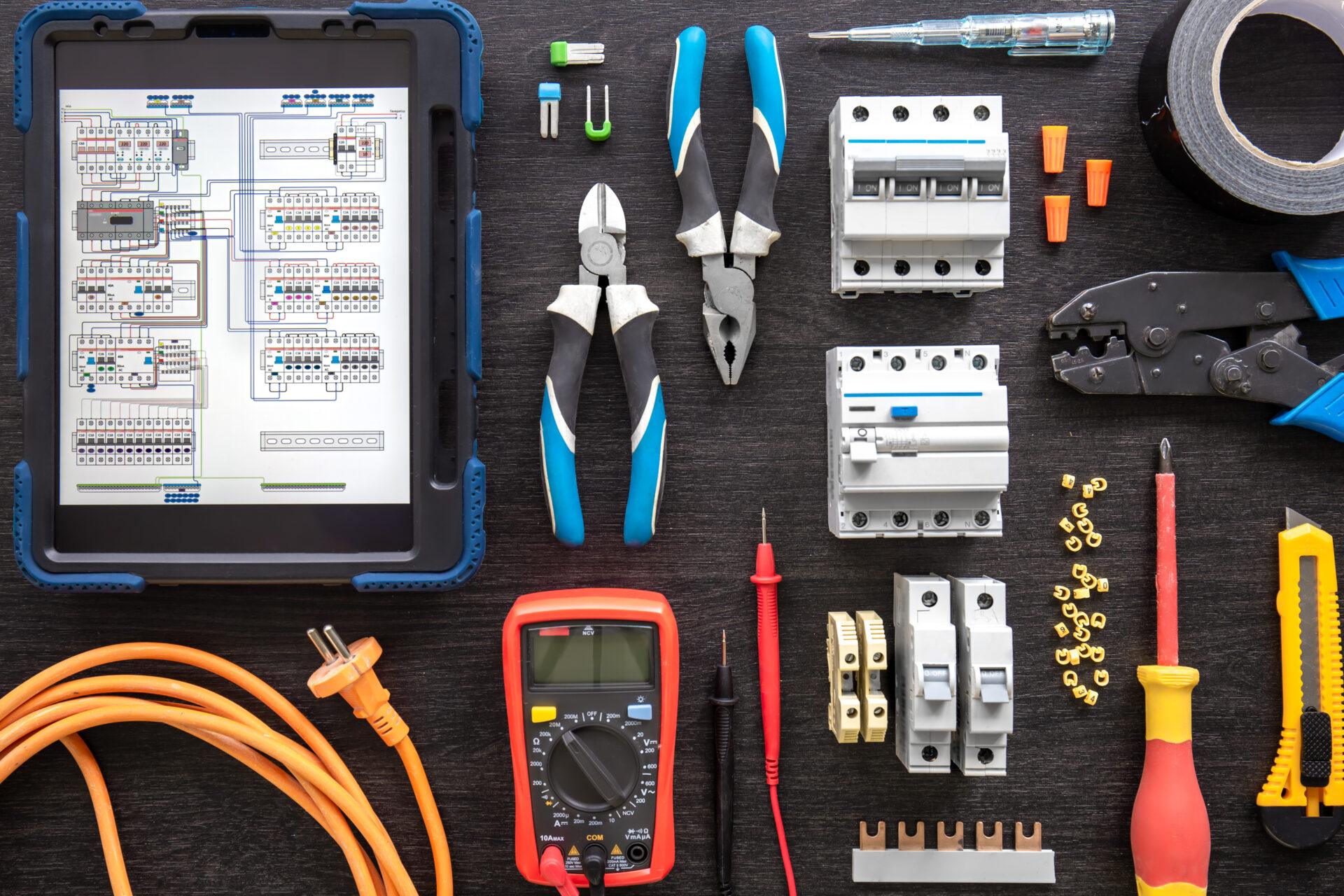
Key Factors Affecting Maintenance Schedule
Load Demand
Higher loads require more frequent checks.
Environment
Dust, heat, and humidity increase wear.
Equipment Age
Older systems need closer monitoring.
Operating Hours
24/7 systems require tighter schedules.
Compliance Standards
Certain industries enforce strict rules.
Warning Signs You Should Not Ignore
- Overheating panels
- Burning smell
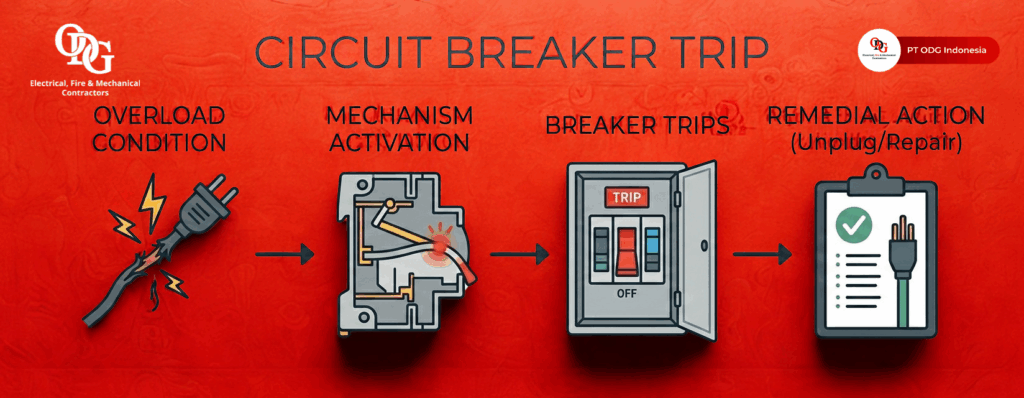
- Frequent breaker trips
- Voltage instability
- Flickering lights
Immediate inspection is required when these signs appear.
Risks of Poor Maintenance
Ignoring maintenance leads to:
- Expensive equipment damage
- Production downtime
- Fire hazards
- Reduced energy efficiency
- Financial losses
Preventive action is always more cost-effective.
Effective Maintenance Strategy
- Create a clear checklist
- Use digital monitoring tools
- Schedule inspections consistently
- Record all maintenance activities
- Engage professional services regularly
This ensures long-term system performance.
Understanding how often should electrical system maintenance be done requires a structured approach.
A mix of daily, monthly, and annual maintenance is ideal. Proper planning reduces risks and improves efficiency.
Maintenance is a long-term investment, not a cost.
Keep your electrical system safe and reliable. PT ODG offers professional maintenance services with experienced experts. Contact PT ODG today for tailored solutions and consultation.
Whatsapp : +62 811 1302 0888
Email : marketing@ptodg.com