

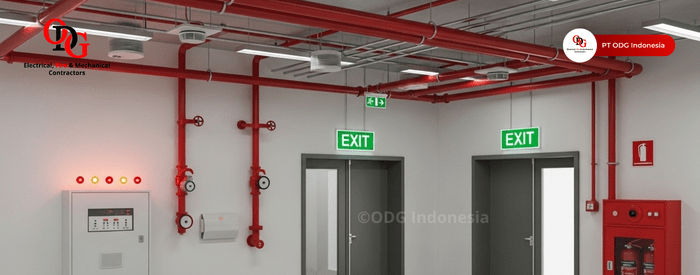
A fire protection system is critical for business continuity.
It protects assets, people, and operational processes.
Key components include fire alarms, sprinkler systems, hydrants, and fire pumps.
All components must work in an integrated system.
However, many companies overlook system reliability.
Cases of fire protection system not working happen more often than expected.
Recent Trends in Fire System Issues
Recent search trends show increasing fire system problems.
Many companies report fire alarm errors and false alarms.
Fire pump auto failure is also a growing concern.
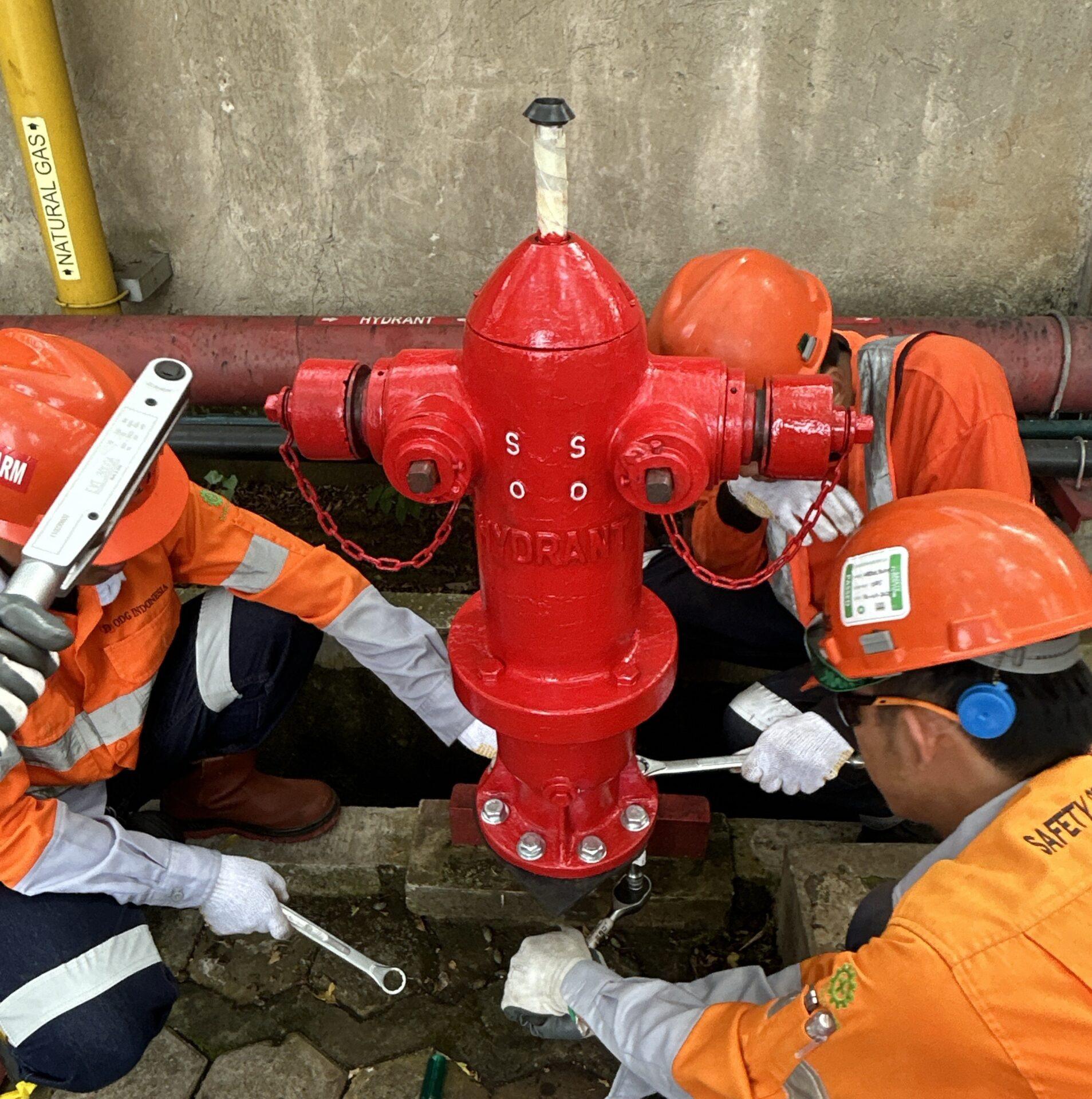
Hydrant systems without water pressure are frequently reported.
Inactive sprinkler systems often fail during inspections.
These issues highlight the importance of proper maintenance.
Main Causes of System Failure
1. Lack of Preventive Maintenance
Companies often fix systems only after failure occurs.
This increases the risk of total system breakdown.
2. Lack of Routine Testing
Without testing, system performance is never validated.
Fire pumps may fail during emergencies.
3. Improper Installation
Poor installation affects water distribution and system reliability.
This often occurs without professional supervision.
4. Aging Components
Old equipment loses efficiency over time.
Valves, sensors, and panels are common failure points.
5. Poor Documentation and Audit
Without audits, risks remain undetected.
Bad documentation slows down troubleshooting.
Major Impacts of System Failure
Financial Losses
Fire can destroy assets within minutes.
Recovery costs are significantly higher than maintenance.
Operational Downtime
Production may stop completely after fire incidents.
This directly impacts revenue and productivity.
Safety Risks
System failure increases the risk of casualties.
Emergency response becomes more difficult.
Reputation Damage
Fire incidents reduce client trust.
Reputation recovery takes significant time.
Legal and Compliance Issues
Companies may face penalties for safety violations.
Audits will expose system weaknesses.
Warning Signs of System Failure
Companies should detect early warning signs.
Frequent false alarms indicate system instability.
Hydrant pressure becomes inconsistent during testing.
Fire pumps fail to start automatically.
Control panels show error or fault messages.
Sprinklers fail during fire simulations.
Immediate action is required when these signs appear.
Effective Prevention Strategies
Routine Inspection and Testing
Regular inspections ensure system reliability.
Scheduled Preventive Maintenance
Maintenance extends system lifespan and reliability.
Fire Safety Audits
Audits identify risks and ensure compliance.
System Upgrades
Modern systems provide real-time monitoring.
Team Training
Proper training improves emergency response.
Why Many Companies Still Ignore This
Some companies see fire systems as unnecessary costs.
In reality, they are long-term investments.
Lack of awareness is the main issue.
Limited audits also contribute to system neglect.
As a result, fire protection system not working risks increase.
Fire protection systems are essential for business sustainability.
System failure can lead to severe losses and safety risks.
Companies must take preventive measures consistently.
Ensure systems remain fully operational at all times.
Do not let fire risks threaten your business.
ODG Indonesia is ready to support your fire protection needs.
We provide inspection, maintenance, audits, and system upgrades.
Contact ODG Indonesia today for reliable and professional solutions.
Whatsapp : +62 811 1302 0888
Email : marketing@ptodg.com