

Occupational health and safety plays a critical role in project success. This applies to construction, industrial projects, and heavy industry. Project sites involve dynamic activities, heavy equipment, and high-risk work. Without proper safety systems, accidents may cause delays and financial losses.
Effective project safety management helps companies control workplace risks. It ensures all activities follow safety standards and procedures.
Risk Characteristics of Project Sites
Project sites differ from permanent operational areas. Multiple disciplines often work at the same time. Civil, mechanical, and electrical activities share limited space. Heavy equipment and material movement increase daily hazards.
High-risk work is common on project sites. Examples include working at height, lifting operations, hot work, and confined space activities. Environmental conditions may change rapidly due to weather and access limitations. Multiple contractors also increase coordination risks.

Regulations and Safety Standards
Project safety must comply with national regulations and international standards. Occupational safety laws form the legal foundation for workplace protection. Safety management systems support structured risk control.
ISO 45001 provides a global framework for occupational health and safety. Project owners or main contractors may apply additional HSE requirements. Compliance reflects a company’s professionalism and operational readiness.
Hazard Identification and Risk Control
HIRADC is a core element of risk management. The process begins with hazard identification for each task. Risks are evaluated based on likelihood and severity. Appropriate control measures are then applied.
Control methods include engineering control, administrative control, and PPE usage. Regular reviews ensure risk control remains effective throughout the project.
PPE and Supporting Safety Systems
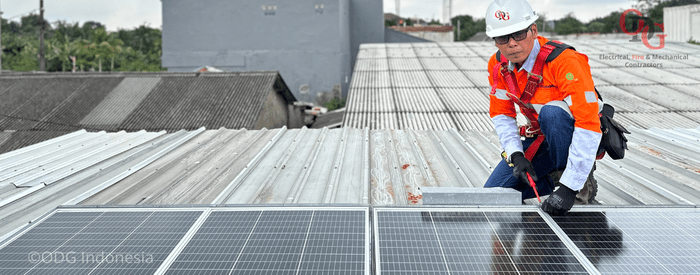
PPE is mandatory for all project personnel. Common equipment includes safety helmets, safety shoes, safety vests, safety glasses, and work gloves. Full body harness is required for work at height.
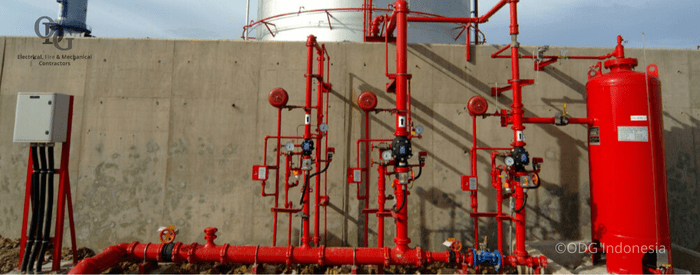
Supporting safety systems strengthen project safety management. These systems include fire extinguishers, safety signage, LOTO systems, and emergency response plans. Integration improves overall site safety performance.
Project safety is more than regulatory compliance. It is a strategic approach to protect workers and ensure project continuity. Strong safety systems reduce accidents and support sustainable operations.
Ensure that every project activity follows appropriate and measurable occupational safety standards.