


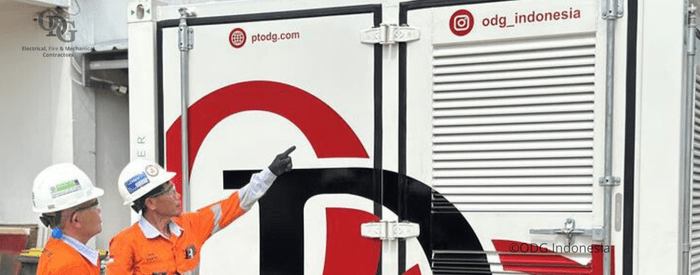
Rapid growth in the construction, industrial, and mining sectors has created new challenges in power system management. The demand for stable, efficient, and sustainable electricity supply continues to increase, particularly in the face of fluctuating loads, limited grid access in remote areas, and growing pressure to reduce carbon emissions. These conditions have accelerated the adoption of energy storage technologies as a critical component of modern power systems.
One of the most widely implemented technologies today is the Energy Storage System (ESS), particularly Battery Energy Storage Systems (BESS).
What Is an Energy Storage System (ESS)?
An Energy Storage System (ESS) is designed to store electrical energy and release it when needed. The stored energy can be sourced from the utility grid, diesel generators, or renewable energy systems such as solar photovoltaic (PV) power plants.
By enabling energy storage and controlled dispatch, ESS improves power system reliability, optimizes energy utilization, and provides operational flexibility across various applications, including industrial facilities, mining operations, construction projects, and renewable energy systems.
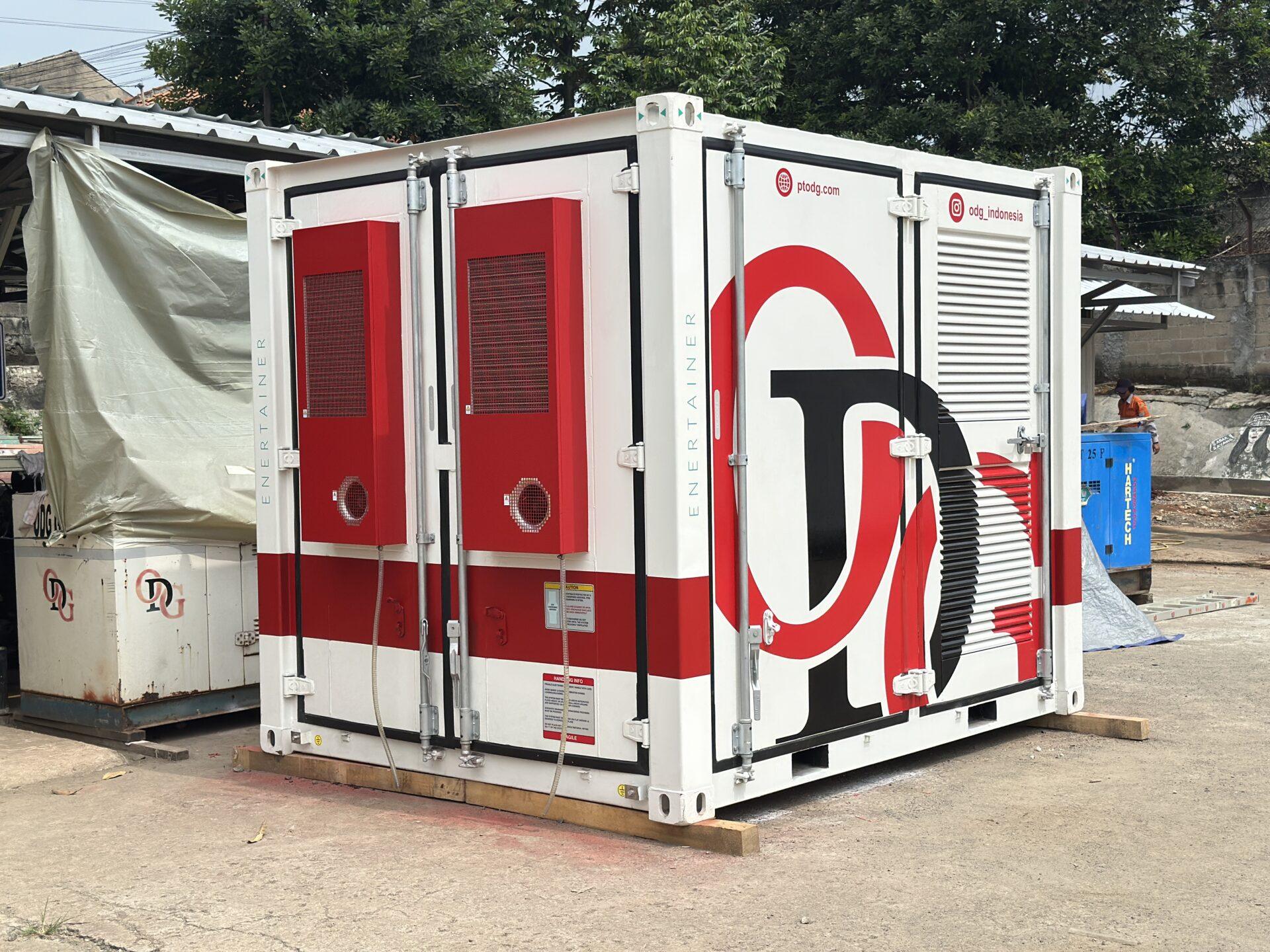
Functions and Benefits of ESS
The implementation of ESS offers several key benefits, including:
- Improved power supply reliability
- Peak load reduction (peak shaving)
- Optimized integration of renewable energy
- Fast-response backup power
- Reduced electricity and fuel costs
- Support for energy efficiency and carbon emission reduction
These advantages make ESS an essential element in the transition toward more sustainable and resilient energy systems.
Why ESS Is Becoming Increasingly Important
The need for ESS continues to grow as power systems become more complex. ESS enables more effective integration of renewable energy, provides rapid-response backup power, and helps reduce electricity costs caused by peak demand.
In remote or off-grid locations, ESS plays a crucial role in ensuring a reliable and stable power supply. Additionally, the adoption of ESS supports long-term energy efficiency initiatives and carbon reduction targets across industrial and mining sectors.
As demand increases, various energy solution providers have developed ESS technologies tailored for heavy-duty industrial and remote applications. One example is AMPD Energy, which focuses on battery-based energy storage solutions designed to support construction, mining, and industrial operations by improving power reliability, enhancing energy efficiency, and reducing dependence on fossil-fuel generators. PT ODG Indonesia with its AMPD products offers reliable electrical solutions for construction and mining purposes.
ESS Applications Across Multiple Sectors
ESS is widely applied in various sectors, including:
- Manufacturing Industry
To manage fluctuating loads and improve overall energy efficiency. - Mining and Off-Grid Operations
As part of hybrid power systems and microgrids in remote locations. - Construction Projects and Heavy Equipment
To provide flexible and efficient temporary power solutions. - Data Centers and Critical Facilities
To ensure stable backup power and protect critical systems. - Renewable Energy Systems (Solar PV)
To increase renewable energy utilization and maintain power stability.
Challenges in ESS Implementation
Despite its advantages, the implementation of an Energy Storage System (ESS) requires careful and comprehensive planning. Key considerations include proper sizing of power and energy capacity to match operational requirements, the use of reliable battery safety and energy management systems, effective thermal management and system protection, seamless integration with existing electrical infrastructure, as well as correct installation and commissioning processes. A well-designed and properly implemented ESS is essential to ensure safe operation, high reliability, and long-term performance of the system.
Energy Storage Systems (ESS) are a vital component of modern power infrastructure, particularly for industrial, construction, mining, and renewable energy applications. By improving power reliability, increasing energy efficiency, and supporting carbon emission reduction, ESS represents a strategic investment for future-ready energy systems. As the demand for sustainable and resilient energy solutions continues to grow, ESS is expected to play an increasingly important role in modern power system design.